

Arizona's HOA Removal Rules Explained
Arizona's HOA Removal Rules Explained
"Removal" means two very different things in HOA disputes. Sometimes homeowners want to remove a director. Sometimes the association wants to remove your patio cover. Different statutes govern each, and procedural mistakes are fatal on both sides.
Recalling a Board Member Is a Statutory Right
Arizona homeowners do not have to wait out a bad board member's term. State law gives members of both planned communities and condominiums a recall procedure that overrides anything more restrictive in the governing documents. A.R.S. § 33-1813 (planned communities); A.R.S. § 33-1243 (condominiums).
The mechanics matter. The process starts with a petition

Buying a Home or Condo in an Arizona HOA?
Most new homes in metro Phoenix come with a homeowners or condominium association attached. When you buy, you automatically become a member and you are bound by the community's governing documents, whether you read them or not. The time to understand what you're agreeing to is before closing, not after the first violation notice arrives.

Arizona HOAs Now Have a Statutory Duty to Act Reasonably
For nearly twenty years, Arizona homeowners challenging an HOA's discretionary decisions had to rely on a common law duty found in a single court of appeals opinion.
As of September 12, 2026, that duty is a statute. House Bill 4011, signed by Governor Hobbs on June 5, 2026, adds A.R.S. § 33-1821 to the Planned Communities Act and a parallel provision to the Condominium Act at A.R.S. § 33-1242(E). The association "has a duty to act reasonably in the exercise of its discretionary powers."

How to Fight HOA Fines—and Win!
HOA fines can feel sudden, unfair, and overwhelming—but you don't have to face them alone. From missed approvals to garden décor, anything can trigger a violation. The good news? Arizona law gives homeowners clear rights; many HOA fines don't hold up. Knowing how (and when) to fight back can make all the difference whether you've been cited or threatened with legal action. Here's what you need to know—and why having an experienced HOA attorney on your side is a smart first move.

About Those Annoying "I Want to Buy Your Home" Messages
If you’re constantly getting “We want to buy your home” texts and voicemails, you’re not alone—and you may have legal grounds to fight back. What feels like a nuisance could earn you $500 to $1,500 per call. Find out your rights and how a real estate attorney can help.

Code of Conduct or Control Tactic?
HOA Codes of Conduct are popping up everywhere—often filled with language about professionalism, respect, and doing what’s “best for the community.” But are they legally enforceable? And who gets to decide what those vague standards really mean? The answers might surprise you.
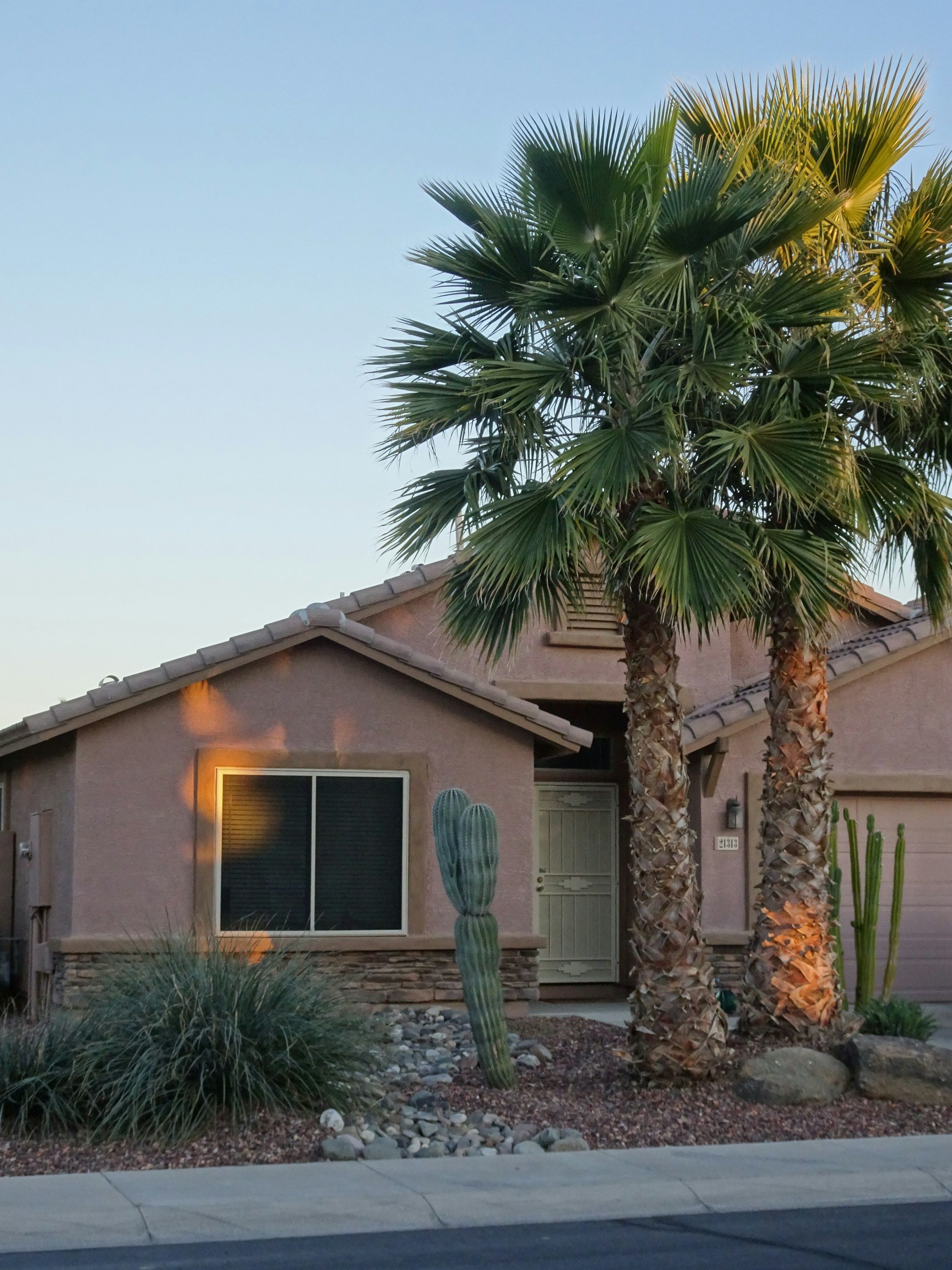
What is SPDS? (Seller Property Disclosure Statement)
If you're buying or selling a home in Arizona, the Seller Property Disclosure Statement—commonly known as the SPDS—is one document you don't want to overlook. It lets sellers disclose key details about a property's condition and helps buyers make informed decisions. While not legally required, the SPDS plays a vital role in avoiding surprises, reducing liability, and keeping transactions on track. Whether preparing to fill one out or reviewing one as a buyer, understanding what this document covers and why it matters can help you avoid costly issues later.