
Your HOA Cannot Make You Arbitrate While It Keeps the Courthouse for Itself
LoPresto v. Wigwam Creek South: the one-way street that went nowhere
Your HOA can’t say to you, “You must go through arbitration instead of taking us to court." But then the HOA's documents clearly state that your HOA can take you to court. This is about fairness, and the game can’t be one-sided. Here’s the breakdown of the LoPresto v. Wigwan Creek South case and its ruling.
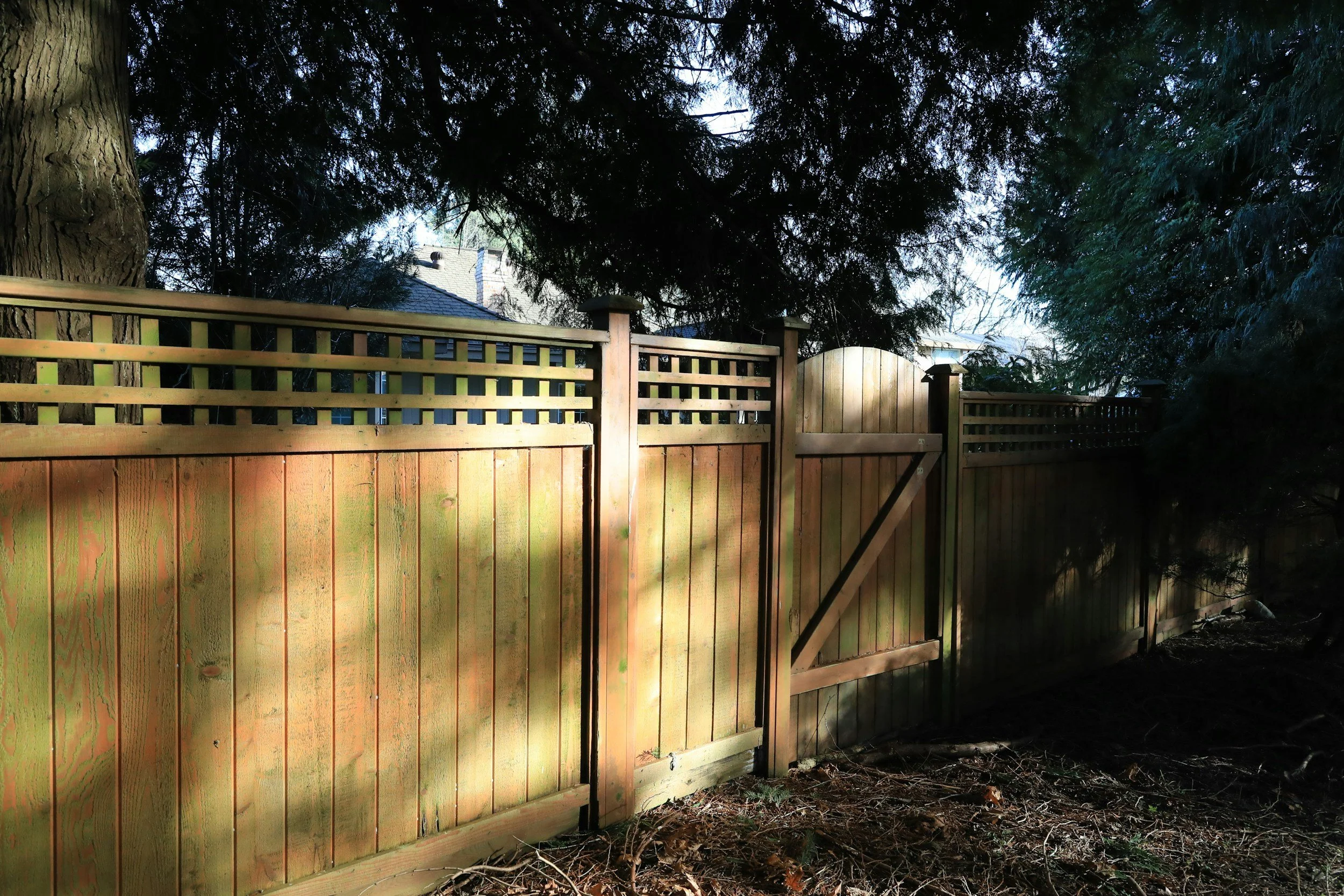
LoPresto v. Wigwam Creek South
Kevin and Jennifer LoPresto wanted to replace the single gate on their side yard with a double gate. Not for aesthetics. Their disabled son uses a golf cart, and a double gate meant he could park it in the backyard. They filed the paperwork and asked the HOA for permission.
The HOA said no. The LoPrestos appealed to the board. The HOA said no again.
The LoPrestos sued. Their claim was simple. The Declaration requires the HOA to enforce its rules fairly, impartially, and without selective enforcement. They alleged the HOA had not done that.
The HOA’s response was not to defend the gate decision. It was to try to get the case out of court entirely. It filed a motion to compel arbitration, pointing to clauses buried in the Declaration and in a separate set of community Guidelines.
The superior court denied the motion. The HOA appealed. On September 25, 2026, the Court of Appeals affirmed, and the ruling provided for an award of the homeowner’s attorney fees for the trouble.
An arbitration clause that binds the homeowner but not the HOA is unconscionable, and no Arizona court will enforce it.
What the Declaration actually said
One provision in the CC&Rs said everyone must arbitrate their claims. Another, a few lines away, said the HOA was exempt from that requirement. A third said the HOA could take owners to court whenever it liked. In other words, an owner seeking to challenge a rule or dispute denial of an architectural request must go to arbitration. The HOA, on the other hand, gets to choose. It was a one-way rule.
Arizona courts have long refused to enforce one-sided arbitration clauses. The Association did not cite the binding decision from 1990. The rule is not complicated. A promise to arbitrate has to run in both directions. If it does not, the clause lacks mutuality and is substantively unconscionable.
The arbitration provision in the Guidelines fared no better.
The HOA also relied on the Guidelines, which contained a separate arbitration provision. That provision applied whenever “any Owner has a dispute” with the HOA. It said nothing about disputes the HOA starts.
Same problem, same result. The court did not need to decide whether the Guidelines were validly adopted or consistent with the Declaration. Even assuming they were, the provision was one-sided and therefore unenforceable.
Why arbitration, and why only for owners
Arbitration is sold as cheap and fast. For a homeowner, it usually is neither. There is no jury. Discovery is limited. Appellate review is almost nonexistent. And the arbitrator bills by the hour, on top of the lawyers, on top of the assessments that are funding the HOA’s side of the fight.
Nobody on the board wrote the clause. The developer did, before the first lot sold, and it was in the CC&Rs when every owner bought in. Developers draft arbitration clauses to keep claims against themselves and, later, the associations out of court, where there are juries, discovery, and appeals.
The exemption for the HOA is not an accident. When the association sues an owner over an unpaid assessment or a paint color, it wants a judge, a judgment, a lien, and a fee award. It wants arbitration only for the cases it might lose. That is not a preference for arbitration. It is a preference for one set of rules for the HOA and another for everyone else. Arizona courts will not enforce it.
What to do if your CC&Rs have one
Read the arbitration clause.
Then read the rest of the dispute resolution section, the enforcement section, and anything the HOA has labeled rules or guidelines.
Look for the carve-out. If the HOA has reserved the right to sue you in court while requiring you to arbitrate against it, the clause may be unenforceable, and the HOA’s motion to compel is an appeal waiting to be lost.
Dessaules Law Group represented the LoPrestos in the superior court and on appeal. The decision is a memorandum decision under Arizona Supreme Court Rule 111(c), which limits how it may be cited, but the rule it applies is binding published law.